

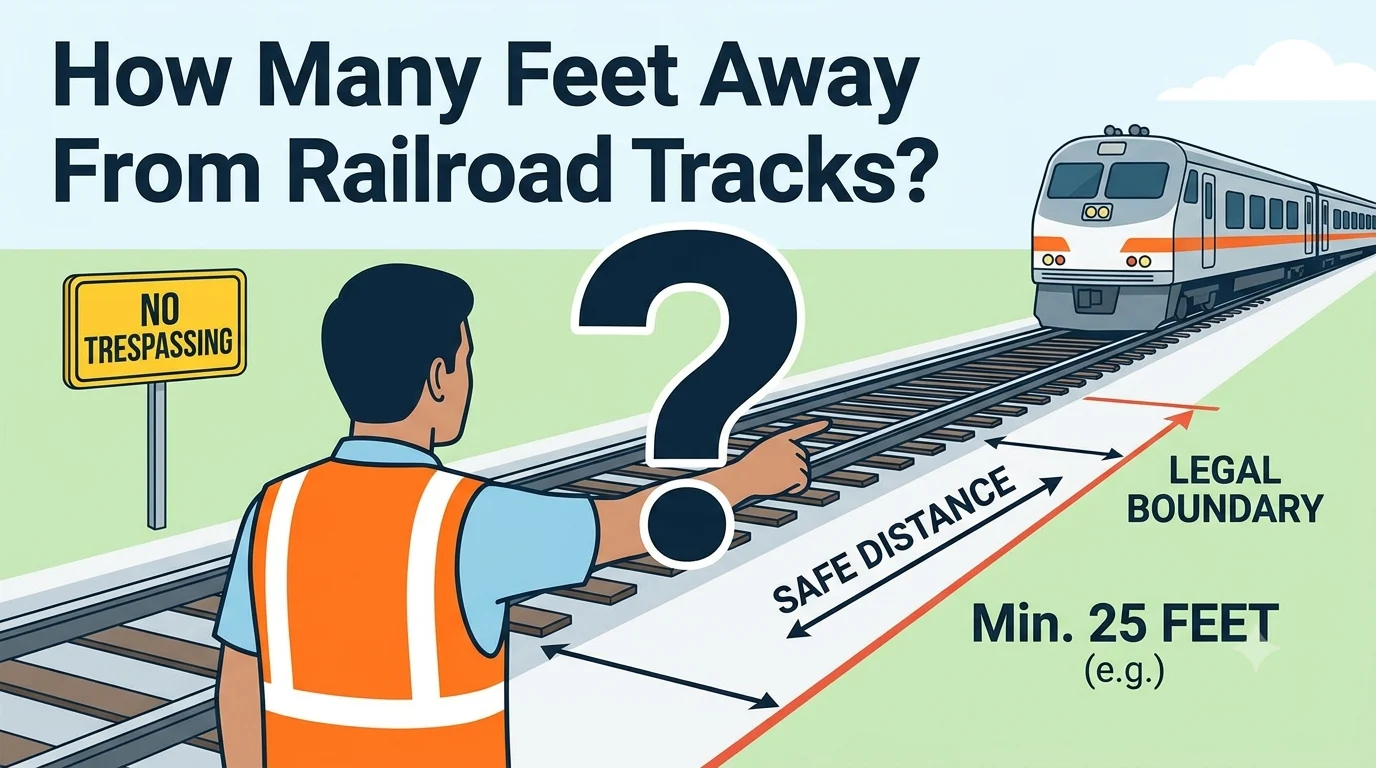
If you are wondering how many feet away from railroad tracks you should be, the answer depends on several factors, including local regulations, train traffic, property type, and safety concerns. There is no single distance that applies everywhere, but maintaining a proper buffer between homes, people, and active railway lines can reduce risks and improve comfort.
Railroad tracks are designed for large vehicles that move at high speeds and cannot stop quickly. Areas near railway lines may experience safety concerns, loud train sounds, ground vibrations, and restrictions related to railroad property. For this reason, many experts recommend keeping a reasonable distance from active tracks whenever possible.
For many residential situations, staying at least 50 to 100 feet away from railroad tracks is considered a safer option. However, homes located farther away, such as 100 to 200 feet or more, often experience fewer problems related to noise and vibration.
Understanding the recommended distance from railroad tracks can help homeowners, buyers, builders, and investors make better decisions when choosing or developing property.
Understanding Railroad Track Safety Distance
Railroad track safety distance refers to the space between an active railway line and nearby people, buildings, or private property. This distance acts as a protective buffer that helps reduce exposure to potential hazards.
Unlike vehicles on roads, trains follow fixed paths and cannot quickly change direction. A freight train traveling at high speed may require a long distance to stop completely. Because of this, staying away from the tracks is one of the most important railway safety practices.
Why Distance From Railroad Tracks Matters
There are several reasons why keeping distance from railroad tracks is important:
- Safety protection: Trains are extremely large and heavy, making accidents near tracks very dangerous.
- Noise reduction: Train engines, horns, and wheel movement can create significant noise.
- Vibration control: Heavy trains can cause noticeable vibrations in nearby buildings.
- Property comfort: Homes farther away from tracks usually provide a quieter living environment.
- Future property value: Some buyers avoid homes located directly beside railway lines.
Even if a railroad track seems inactive, train schedules can change. A track with limited activity today may become busier in the future.
What Is a Railroad Right of Way?
A railroad right of way is the area of land that a railroad company controls or uses for railway operations. This area is usually wider than the visible space occupied by the tracks.
A railroad right of way may include:
- Train tracks
- Maintenance areas
- Signal equipment
- Electrical systems
- Access paths for railroad workers
People should never assume that the area beside tracks is safe for walking, playing, or parking.
How Many Feet Away From Railroad Tracks Is Considered Safe?
There is no universal safety distance that applies to every location. However, general guidelines can help people understand the level of separation.
| Distance From Railroad Tracks | General Safety Consideration |
|---|---|
| 0–25 feet | Extremely close; high risk and strong disturbance |
| 25–50 feet | Very close; frequent noise and vibration possible |
| 50–100 feet | Better separation for some residential areas |
| 100–200 feet | More comfortable distance with reduced disturbance |
| 200+ feet | Greater buffer and improved peace |
For many homeowners, 100 feet away from railroad tracks or more is a practical target because it creates additional separation from train activity.
However, the ideal distance depends on local laws, the type of railway, and how frequently trains pass through the area.
Recommended Distance for Homes and Buildings
The right distance from railroad tracks depends on how the property will be used.
Residential Properties
For houses, distance is especially important because residents spend a large amount of time inside and around their homes.
Living too close to railroad tracks may lead to:
- Frequent train noise
- Sleep interruptions
- Outdoor discomfort
- Reduced privacy
- Difficulty selling the property later
Many homeowners prefer properties that are at least 100 to 200 feet away from active railroad tracks because this distance can provide better comfort.
Commercial Buildings
Commercial properties have different requirements. Some businesses may benefit from being close to rail transportation, especially warehouses and industrial facilities.
However, buildings such as:
- Schools
- Hospitals
- Offices
- Residential developments
may require additional planning because people spend extended periods there.
Construction Near Railroad Tracks
Before constructing a building near railway lines, property owners should review:
- Local zoning requirements
- Railroad setback rules
- Building permits
- Safety restrictions
- Environmental requirements
A professional land survey can help identify property boundaries and railroad restrictions.
Factors That Affect Safe Distance From Railroad Tracks
The safest distance varies depending on several conditions.
Train Frequency
A railway line with multiple trains passing every day creates more noise and vibration than a rarely used track.
Important factors include:
- Number of trains per day
- Freight train activity
- Passenger train schedules
- Nighttime operations
A busy freight route may require a larger distance compared with a quiet railway line.
Type of Railroad
Different trains create different levels of impact.
Freight trains are usually heavier and may create stronger vibrations. High-speed passenger trains may require additional safety considerations because of their speed.
Noise and Vibration Levels
Noise is one of the biggest concerns for properties near railways.
Common sources include:
- Train horns
- Engine sounds
- Wheel movement
- Braking systems
- Track maintenance
Vibrations may also affect nearby buildings, especially older structures.
Local Rules and Regulations
Railroad setback requirements vary depending on location. Some cities and regions have specific rules about how close structures can be built to railway lines.
Before purchasing land, always check:
- City planning regulations
- Building codes
- Railroad company requirements
- Property restrictions
Risks of Living Too Close to Railroad Tracks
Living near railroad tracks does not automatically mean a property is unsafe. However, being extremely close can create several challenges.
Safety Risks
Railroad tracks are dangerous areas because trains move quickly and cannot stop immediately.
Children and pets should never be allowed to play near tracks. Even a quiet railway line can become dangerous without warning.
Noise Pollution
Regular train activity can affect daily life.
Possible problems include:
- Interrupted sleep
- Difficulty enjoying outdoor spaces
- Reduced peace and privacy
Noise levels depend on the number of trains, distance, barriers, and building construction.
Effect on Property Value
Homes located directly beside railroad tracks may have fewer interested buyers.
Some buyers may avoid properties because of:
- Train noise
- Safety concerns
- Vibration issues
- Limited outdoor enjoyment
A larger distance from railway lines can make a property more appealing.
Benefits of Living Farther Away From Railroad Tracks
Choosing a home farther from railroad tracks can provide several advantages:
- Quieter surroundings
- Less vibration
- Better sleep quality
- More comfortable outdoor areas
- Increased privacy
- Greater resale appeal
Although homes near railways may sometimes be cheaper, buyers should consider long-term comfort and potential challenges.
Common Mistakes When Buying Property Near Railroad Tracks
Many people make decisions based only on price or location and overlook railway-related issues.
Common mistakes include:
- Visiting the property only once
- Checking during a time when trains are not running
- Ignoring future railway development plans
- Not researching railroad easements
- Failing to measure the actual distance from tracks
Always inspect the property at different times of the day before making a decision.
Expert Tips Before Buying or Building Near Railroad Tracks
Follow these tips to make a better choice:
- Measure the exact distance
Do not estimate the distance visually. Measure from the property boundary to the nearest track.
- Research train schedules
Find out how often trains pass and whether trains operate overnight.
- Check local requirements
Review building codes and railroad restrictions before construction.
- Consider sound barriers
Trees, fences, walls, and modern windows may help reduce noise.
- Think about future resale value
A property near tracks may have a smaller buyer pool in the future.
Frequently Asked Questions
How many feet away from railroad tracks should a house be?
A house should ideally be at least 100 feet away from active railroad tracks when possible. However, local rules and conditions determine the actual requirement.
Is 50 feet from railroad tracks too close?
Fifty feet is considered very close for a home. Residents may experience more noise, vibration, and safety concerns compared with properties farther away.
How far should children stay away from railroad tracks?
Children should stay completely away from railroad tracks and never use them as play areas. Even standing near tracks can be dangerous.
Do railroad tracks lower property value?
Properties directly next to railroad tracks may have lower demand because some buyers prefer quieter locations with less noise and vibration.
Can you legally build near railroad tracks?
In many areas, construction near railroad tracks is possible, but builders must follow local zoning rules, setback requirements, and railroad regulations.
Conclusion
Knowing how many feet away from railroad tracks you should be can help you make safer and smarter property decisions. While there is no single distance that works for every situation, keeping a buffer of at least 50 to 100 feet is often recommended, while many homeowners prefer 100 to 200 feet or more.
The best distance depends on train activity, local regulations, property use, and personal comfort. Before buying land or building near railway lines, research the area carefully and consider both current conditions and future changes.
A proper distance from railroad tracks can create a safer, quieter, and more comfortable environment for homeowners and communities.