

When planning a painting project, one of the most common questions homeowners ask is: how many square feet in one gallon of paint? Whether you’re painting a bedroom, living room, ceiling, fence, or the exterior of your home, understanding paint coverage helps you estimate costs, avoid waste, and ensure you purchase the right amount of paint.
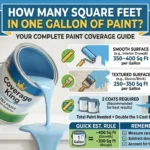
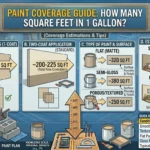
In general, one gallon of paint covers approximately 350 to 400 square feet with a single coat on a smooth surface. However, actual coverage can vary based on several factors, including wall texture, paint quality, color changes, and the number of coats required.
This guide explains everything you need to know about paint coverage, how to calculate your paint needs, and practical tips for getting the best results.
Understanding Paint Coverage
Paint coverage refers to the amount of surface area a gallon of paint can cover. Most paint manufacturers list an estimated coverage range on the paint can, but those numbers are based on ideal conditions.
A smooth, previously painted wall typically provides the best coverage. Rough, porous, or textured surfaces absorb more paint and reduce the number of square feet a gallon can cover.
For most interior and exterior painting projects, one gallon covers between 350 and 400 square feet.
How Many Square Feet Does One Gallon of Paint Cover?
The short answer is simple:
One gallon of paint generally covers 350–400 square feet for one coat.
Here are some common examples:
| Paint Quantity | Approximate Coverage |
|---|---|
| 1 Gallon | 350–400 sq ft |
| 2 Gallons | 700–800 sq ft |
| 3 Gallons | 1,050–1,200 sq ft |
| 5 Gallons | 1,750–2,000 sq ft |
Remember that many painting projects require two coats, especially when changing colors or painting new surfaces.
If a wall measures 400 square feet and requires two coats, you will likely need about two gallons of paint.
Paint Coverage by Surface Type
Not all surfaces absorb paint the same way. The texture and material of a surface significantly affect coverage.
Smooth Drywall
Smooth interior walls offer the highest coverage rate.
- Coverage: 375–400 sq ft per gallon
- Ideal for bedrooms, hallways, and living rooms
Previously Painted Walls
Paint adheres well to surfaces that already have paint.
- Coverage: 350–400 sq ft per gallon
New Drywall
Fresh drywall absorbs more paint because it is porous.
- Coverage: 250–350 sq ft per gallon
- Primer is recommended
Textured Walls
Textured surfaces require additional paint.
- Coverage: 200–300 sq ft per gallon
Stucco and Brick
Exterior masonry surfaces absorb significant amounts of paint.
- Coverage: 200–300 sq ft per gallon
Wood Siding
Wood can soak up paint depending on its condition.
- Coverage: 250–350 sq ft per gallon
Factors That Affect Paint Coverage
Although manufacturers provide estimated coverage rates, actual results vary based on several important factors.
Surface Texture
Rough surfaces contain more grooves and uneven areas, increasing the amount of paint needed.
Examples include:
- Stucco
- Brick
- Concrete
- Popcorn ceilings
- Textured drywall
The rougher the surface, the lower the coverage rate.
Paint Quality
Higher-quality paints often contain more pigments and solids, allowing them to cover better.
Premium paints may:
- Hide old colors more effectively
- Require fewer coats
- Cover more square footage
While premium paints cost more upfront, they often save money by reducing the amount needed.
Number of Coats
Coverage estimates are usually based on a single coat.
Many projects require two coats for:
- Better durability
- Improved color consistency
- Complete coverage
A second coat essentially doubles the paint required.
Color Changes
Changing from a dark color to a lighter color usually requires additional coats.
For example:
- Dark blue to white
- Black to beige
- Red to gray
These dramatic color changes may increase paint usage significantly.
Primer
Primer seals porous surfaces and creates a uniform base for paint.
Using primer can:
- Improve coverage
- Reduce paint absorption
- Improve final appearance
Although primer adds an extra step, it often reduces overall paint consumption.
How to Calculate Paint Coverage
Calculating paint requirements is relatively simple when you know the dimensions of the area being painted.
Step 1: Measure Wall Dimensions
Measure the length and height of each wall.
Formula:
Wall Area = Length × Height
Step 2: Add Total Wall Area
Add together the square footage of all walls.
Step 3: Subtract Openings
Subtract doors and windows.
Typical measurements:
- Standard door: 21 square feet
- Average window: 15 square feet
Step 4: Divide by Coverage Rate
Use the formula:
Paint Needed = Total Square Feet ÷ Coverage Per Gallon
Example
Suppose a room is:
- 12 feet wide
- 15 feet long
- 8 feet high
Wall area:
- 12 × 8 × 2 = 192 sq ft
- 15 × 8 × 2 = 240 sq ft
Total:
432 sq ft
Subtract:
- One door = 21 sq ft
- Two windows = 30 sq ft
Adjusted area:
432 − 51 = 381 sq ft
Since one gallon covers approximately 350–400 square feet, one gallon would be sufficient for one coat.
For two coats, plan for approximately two gallons.
Paint Coverage by Room Size
The following estimates assume standard 8-foot ceilings and average wall configurations.
| Room Size | Approximate Wall Area | Paint Needed |
|---|---|---|
| 10×10 ft | 320 sq ft | 1 gallon |
| 10×12 ft | 352 sq ft | 1 gallon |
| 12×15 ft | 432 sq ft | 1–2 gallons |
| 15×20 ft | 560 sq ft | 2 gallons |
| 20×20 ft | 640 sq ft | 2 gallons |
These estimates may change depending on windows, doors, and ceiling height.
Interior Paint vs Exterior Paint Coverage
Many people assume all paint covers the same area, but coverage often differs between interior and exterior products.
| Feature | Interior Paint | Exterior Paint |
|---|---|---|
| Average Coverage | 350–400 sq ft | 250–400 sq ft |
| Surface Type | Smooth walls | Rough outdoor surfaces |
| Weather Resistance | Moderate | High |
| Paint Consumption | Lower | Higher |
| Typical Coats | 1–2 | 2–3 |
Exterior surfaces generally require more paint due to exposure to weather and rougher textures.
Benefits of Accurate Paint Estimation
Knowing how many square feet in one gallon of paint helps you:
Save Money
You avoid purchasing excessive amounts of paint.
Reduce Waste
Accurate estimates minimize leftover materials.
Prevent Delays
Running out of paint during a project can create delays and color-matching issues.
Improve Project Planning
Accurate calculations help establish realistic budgets and timelines.
Common Paint Estimation Mistakes
Many homeowners underestimate how much paint they need.
Ignoring Surface Texture
Textured walls absorb more paint than smooth surfaces.
Forgetting Multiple Coats
Coverage estimates usually assume one coat only.
Not Using Primer
Skipping primer often increases paint consumption.
Guessing Measurements
Always measure instead of estimating room dimensions.
Buying Different Paint Batches
Purchasing paint at different times can sometimes result in slight color variations.
Expert Tips for Better Paint Coverage
Professional painters use several strategies to maximize paint efficiency.
Use Quality Paint
Higher-quality paint generally provides better coverage and durability.
Prepare Surfaces Properly
Clean walls thoroughly before painting.
Remove:
- Dust
- Dirt
- Grease
- Loose paint
Prime When Necessary
Primer improves adhesion and reduces paint absorption.
Use Proper Tools
High-quality rollers and brushes distribute paint more evenly.
Buy a Little Extra
Having a small amount left over is useful for future touch-ups.
Follow Manufacturer Instructions
Each paint product has specific coverage recommendations.
Always check the label before calculating requirements.
Real-World Examples
Bedroom
A standard 10×12 bedroom typically contains about 350 square feet of paintable wall area.
Paint needed:
- One coat: 1 gallon
- Two coats: 2 gallons
Living Room
A larger living room with 550 square feet of wall space may require:
- Two gallons for one coat
- Three to four gallons for two coats
Exterior Wall
A stucco wall measuring 300 square feet may require:
- One to two gallons depending on texture
- Additional paint for multiple coats
Frequently Asked Questions
Does one gallon of paint cover 400 square feet?
Yes. Under ideal conditions, one gallon can cover approximately 400 square feet with one coat.
How much paint do I need for 1,000 square feet?
For one coat, you typically need about three gallons. For two coats, approximately five to six gallons may be required.
Why is my paint not covering as much as expected?
Surface texture, poor preparation, color changes, and low-quality paint can reduce coverage.
Is primer included in paint coverage calculations?
No. Primer coverage is separate and often ranges from 200 to 300 square feet per gallon.
Can one gallon paint a whole room?
A small room may require only one gallon for a single coat. Larger rooms or projects requiring two coats usually need more.
Conclusion
Understanding how many square feet in one gallon of paint is essential for planning a successful painting project. In most cases, one gallon covers approximately 350 to 400 square feet on a smooth surface with a single coat. However, factors such as wall texture, paint quality, primer usage, and the number of coats can significantly affect actual coverage.
By measuring carefully, accounting for doors and windows, and considering surface conditions, you can accurately estimate how much paint you need. Whether you’re painting a single room or an entire home, proper planning helps save money, reduce waste, and achieve professional-quality results.